
Marks Real Estate
The French Riviera: heritage, lifestyle and enduring international appeal
The French Riviera: heritage, lifestyle and enduring international appeal
Few coastlines in Europe carry the same recognition as the French Riviera. Known in French as the Côte d’Azur, the term is most closely associated with the Mediterranean stretch between Menton and Cannes, while in broader use it extends further west into the Var and includes destinations such as Saint-Tropez. What continues to distinguish the Riviera is not only its scenery or climate, but the way landscape, architecture and international culture have shaped a coastline that remains as desirable for property ownership as it is for travel. For Marks Real Estate, this is the wider setting in which our work across the French Riviera takes place.
A coastline shaped by history and winter resort culture
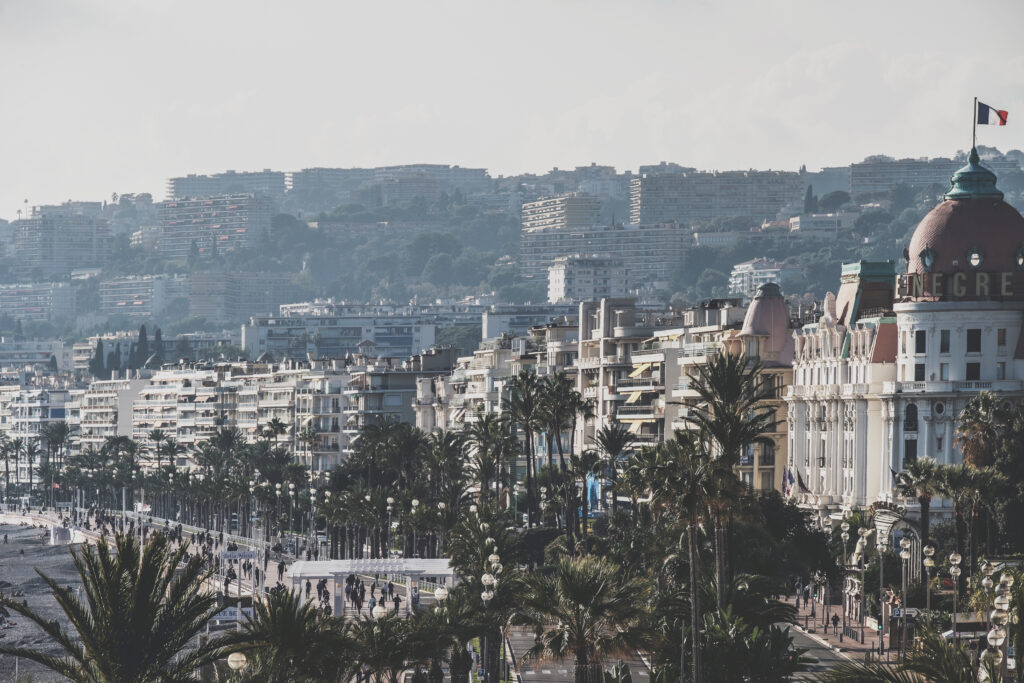
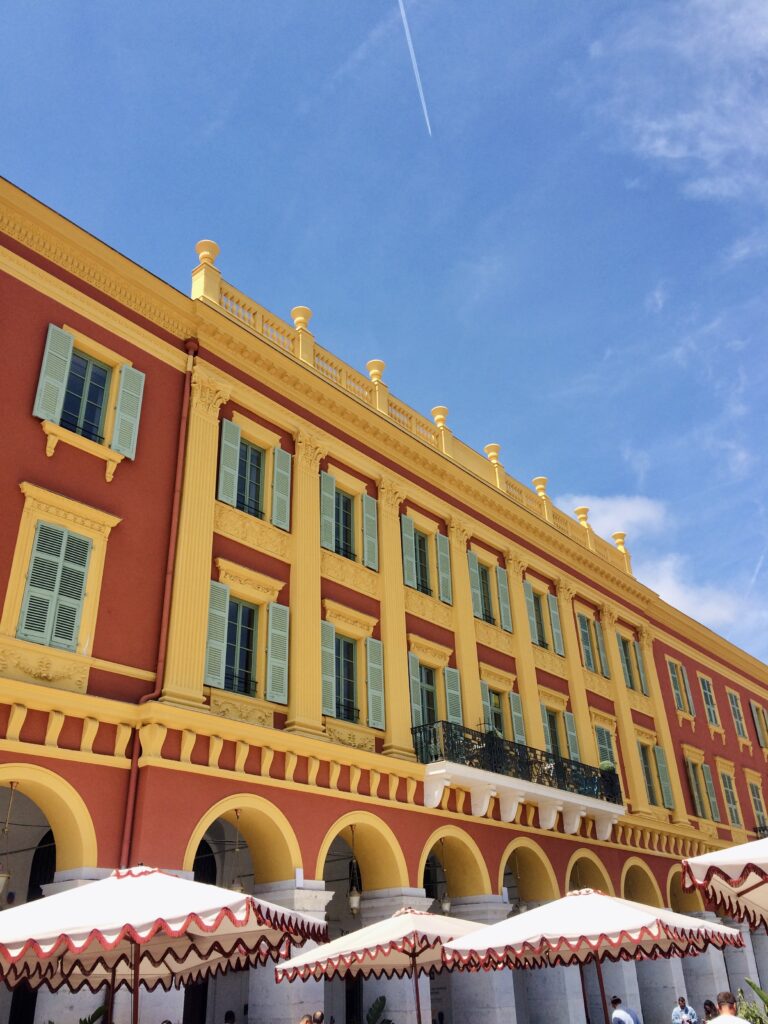
The identity of the Riviera was not built on summer tourism alone. UNESCO describes Nice as a “Winter Resort Town of the Riviera”, reflecting the way the city developed from the mid-18th century as a destination for aristocratic and upper-class families, particularly from Britain, drawn by its mild climate and position between the Mediterranean and the Alps. That history still matters today, because it explains why the Riviera combines seafront promenades, grand urban architecture, landscaped estates and a long-established culture of seasonal residence. Readers who want to understand that heritage in more depth can explore UNESCO’s page on Nice, Winter Resort Town of the Riviera.
Why the French Riviera continues to attract international buyers
Part of the French Riviera’s lasting appeal lies in its unusual balance. It offers immediate access to the sea, established resort towns, marinas, beaches, cultural institutions and hilltop villages, while also benefiting from strong international connectivity. Nice Côte d’Azur Airport has announced a network of 130 destinations across 47 countries for summer 2026, reinforcing the Riviera’s practicality for second-home owners and international clients who want to move easily between the region and major global cities. For practical travel context, this is the natural place to link to the airport’s summer 2026 programme.
A region defined by distinct markets rather than a single destination
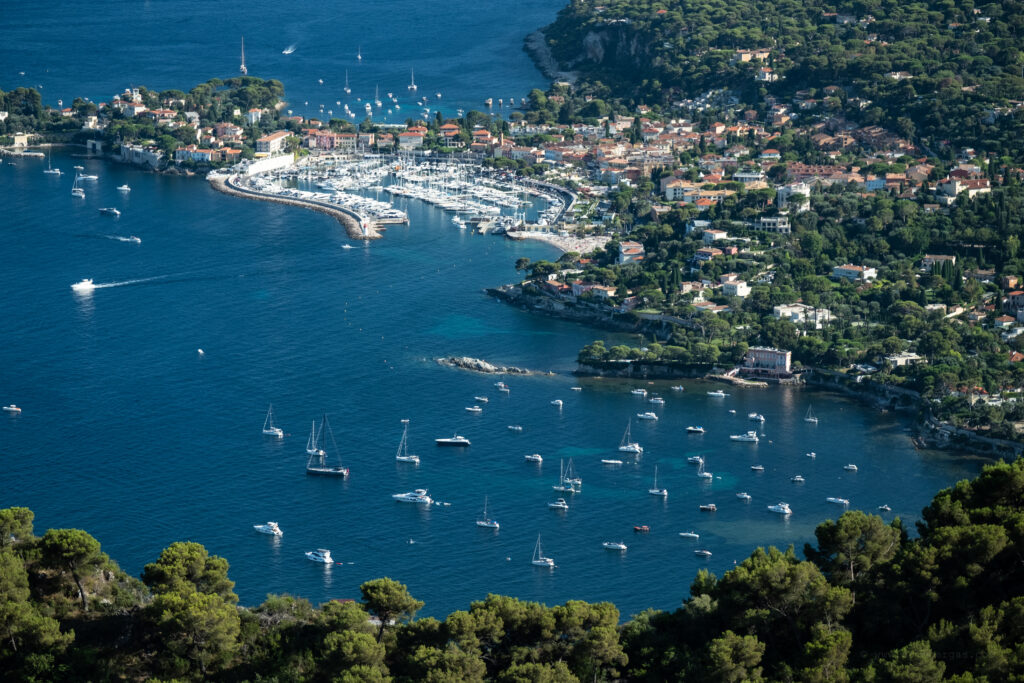
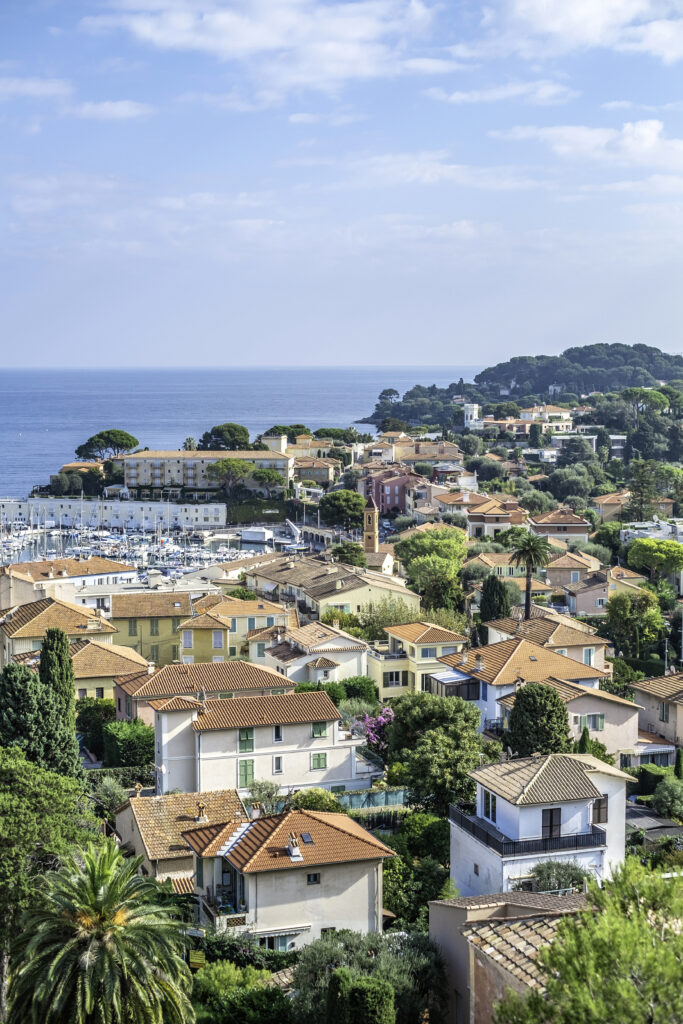
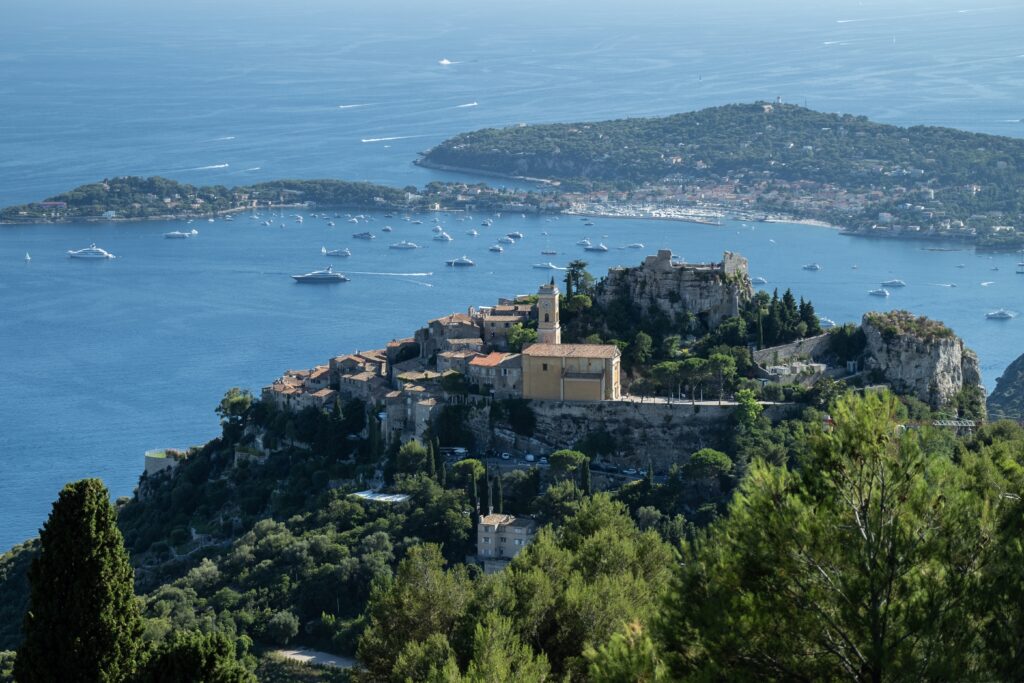
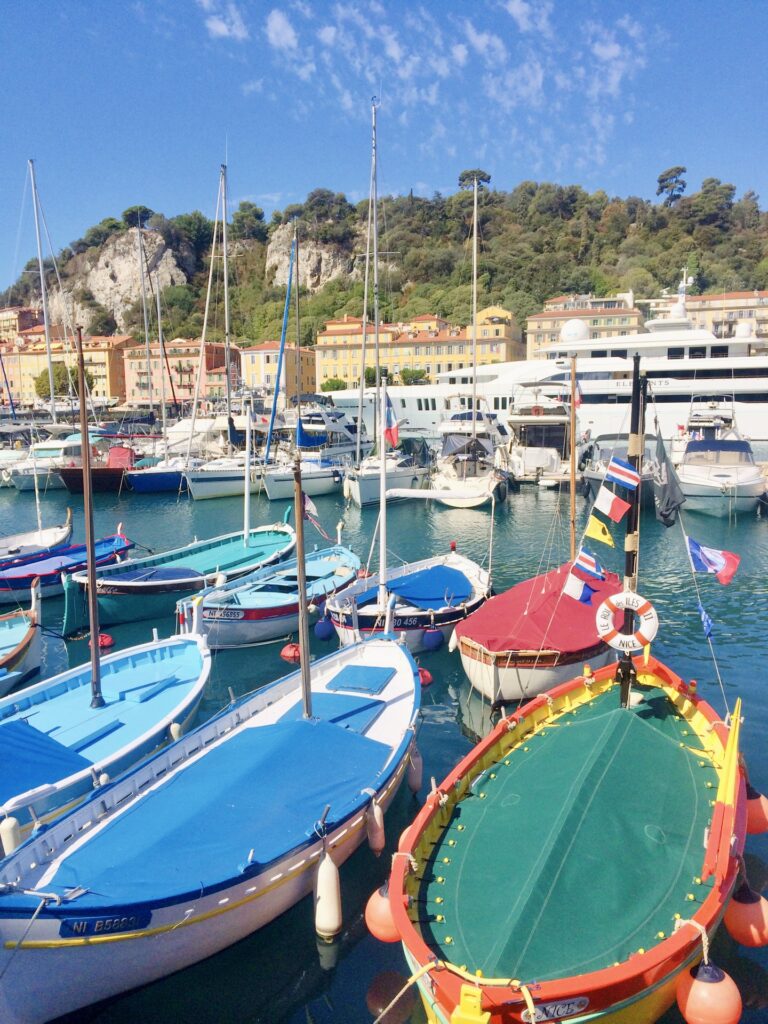
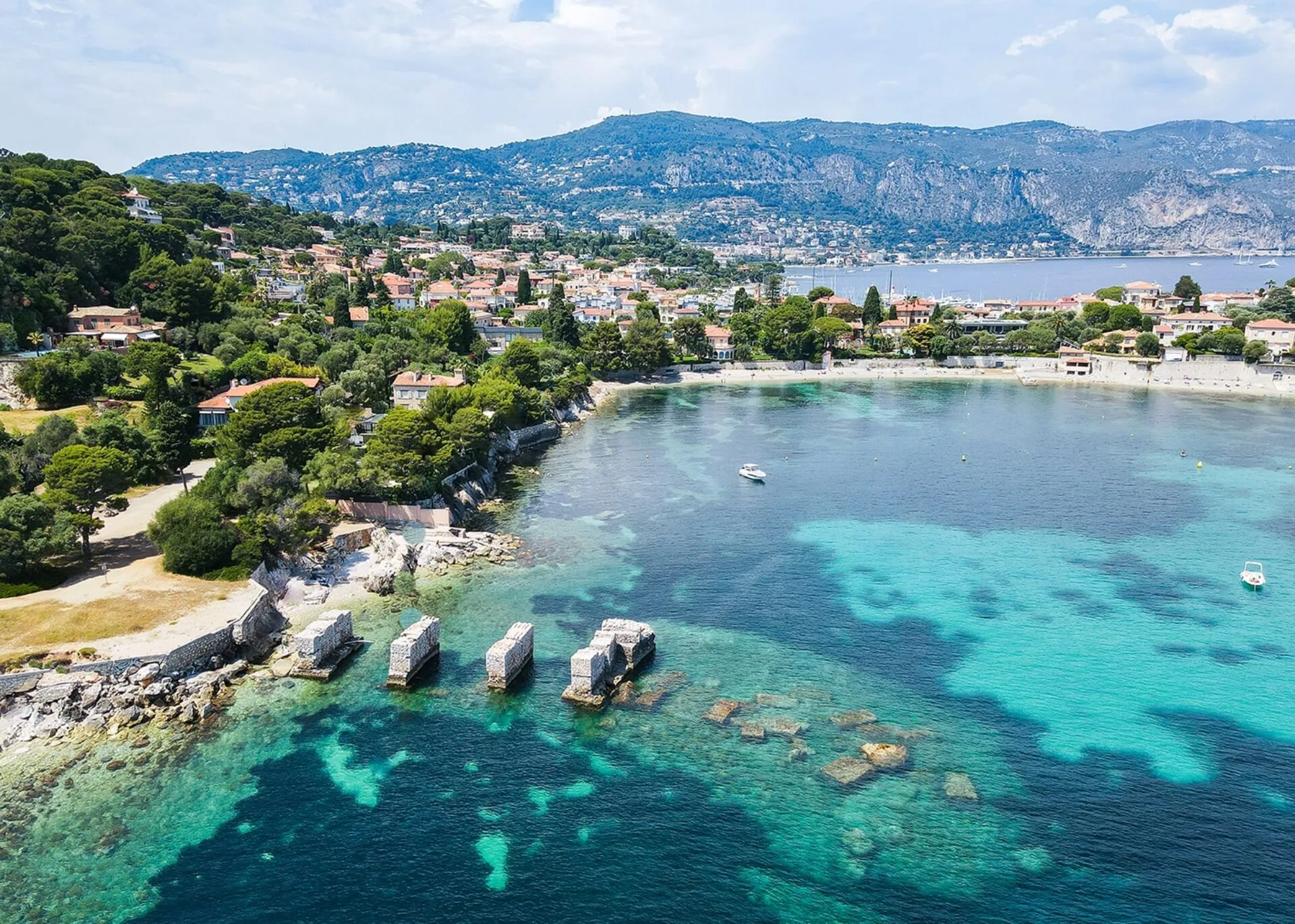
One of the reasons the French Riviera remains so compelling is that it offers several very different ways of living along the same coastline. Saint-Jean-Cap-Ferrat is valued for privacy, security and low-density prestige; Beaulieu-sur-Mer for its elegant Belle Époque character and practical waterfront setting; Èze for its dramatic topography and architectural variety; and Saint-Tropez for its distinctive blend of Provençal character and international visibility. Rather than functioning as one uniform market, the Riviera is better understood as a collection of micro-markets, each with its own rhythm, housing stock and buyer profile. Marks Real Estate’s own location pages reflect that diversity, while France’s official tourism material presents the Côte d’Azur through the contrast between coastline, capes, villages and cultural destinations.
What continues to make the Riviera feel different
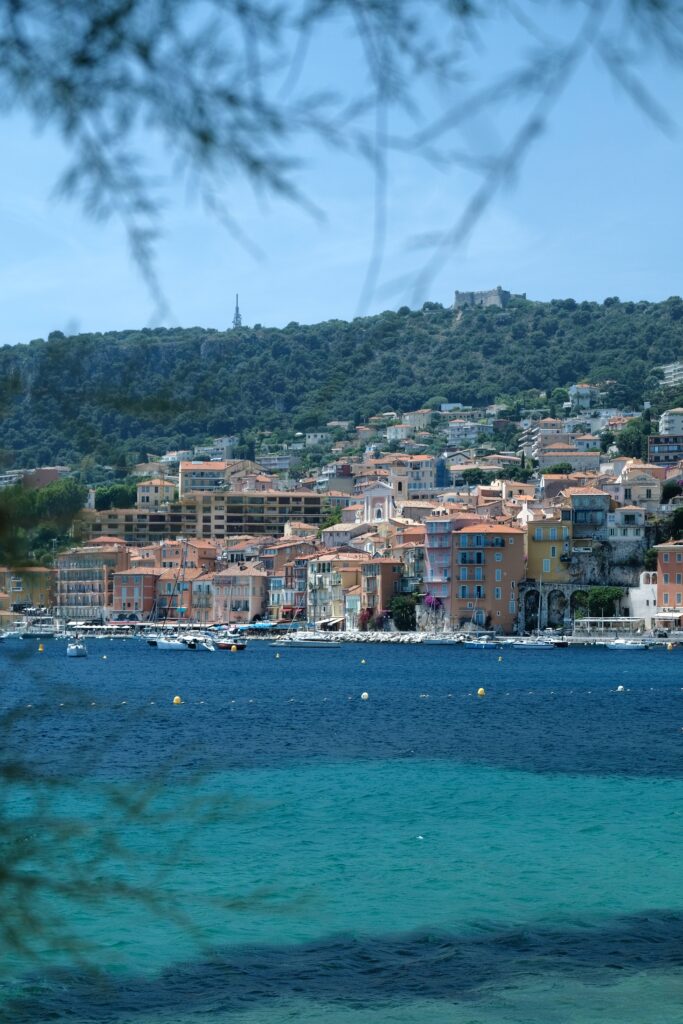
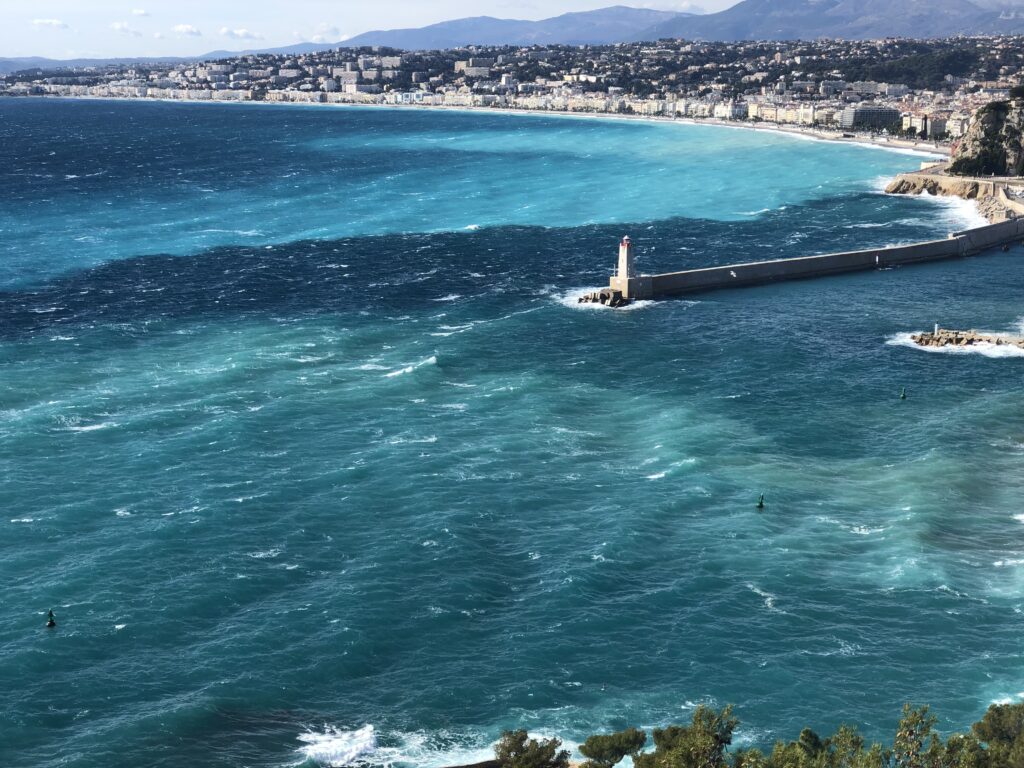
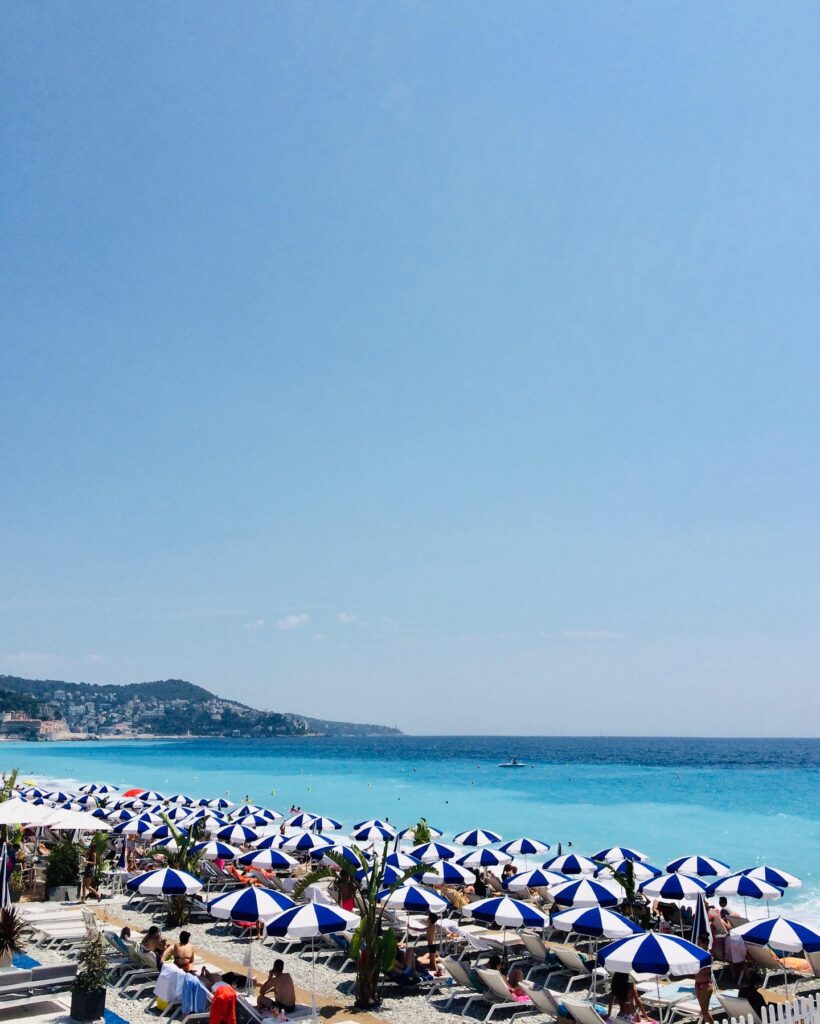
Many destinations offer sun and waterfront living. The French Riviera offers something more layered: a coastline where daily life is still shaped by long-established towns, architecture with real historic depth, strong transport links and a landscape that moves quickly from beaches and marinas to gardens, hills and mountain views. Official destination content continues to frame the Côte d’Azur through that combination of sea, light, culture and varied landscapes, rather than through tourism alone. That helps explain why the region continues to attract not only short-term visitors, but buyers looking for permanence, continuity and a stronger sense of place. A well-placed outgoing link here would be the official Côte d’Azur destination guide.
The French Riviera from a property perspective
For property buyers, the Riviera’s strength lies in choice without losing coherence. A village or waterfront home in Saint-Jean-Cap-Ferrat, a central apartment or villa in Beaulieu-sur-Mer, or a more elevated sea-view setting in areas such as Èze or Roquebrune-Cap-Martin all belong to the same wider geography, yet each offers a different lifestyle and investment logic. This variety is one of the key reasons the French Riviera remains one of Europe’s most established second-home and lifestyle property markets: it offers recognisable international prestige, but also highly local differences that matter in practice.
A lasting Riviera appeal
What gives the French Riviera its enduring strength is not simply glamour, but consistency. The coastline has attracted international residents and seasonal owners for generations, and the underlying reasons remain largely the same: mild climate, strong accessibility, architectural heritage, varied coastal settings and an art of living that still feels distinct within the Mediterranean. For buyers and owners alike, that combination continues to make the Riviera not only aspirational, but highly liveable. Readers who want to continue exploring the region through a more local and editorial lens can move on to our neighbourhood insights.