
Marks Real Estate
Saint-Hospice in Cap-Ferrat: history, coastline and one of the peninsula’s most atmospheric settings
Saint-Hospice in Cap-Ferrat: history, coastline and one of the peninsula’s most atmospheric settings
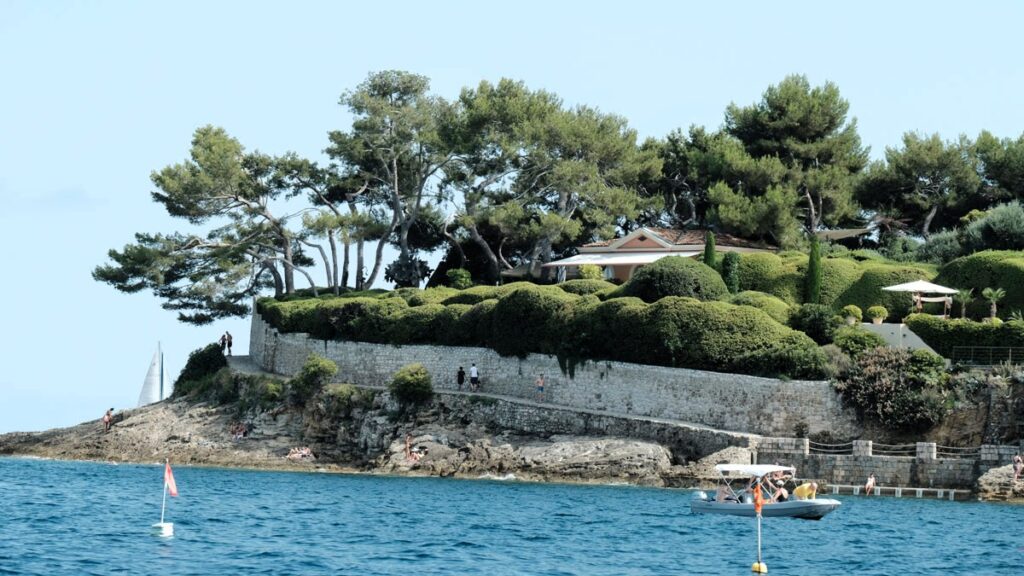
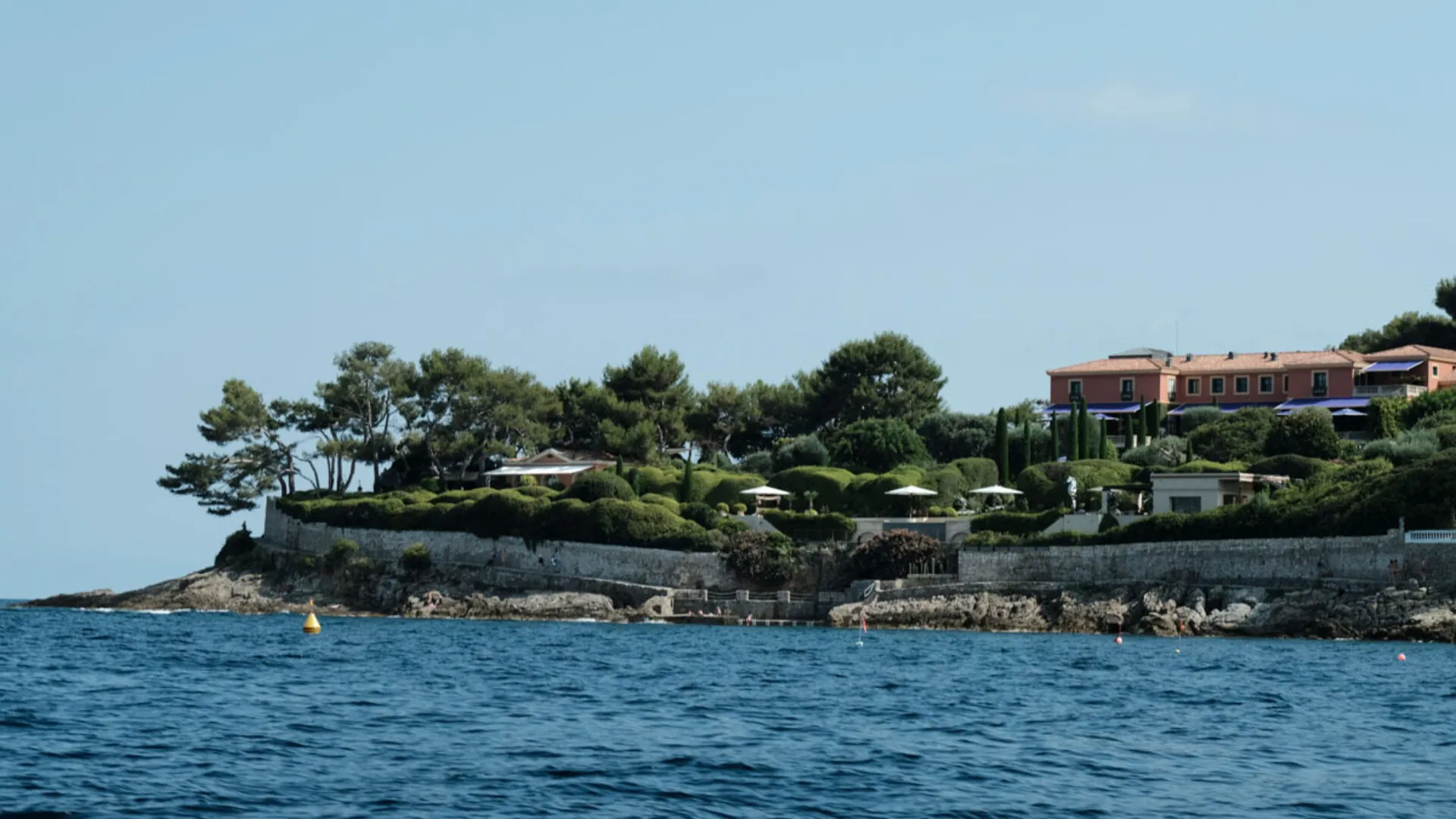
At the eastern end of Saint-Jean-Cap-Ferrat, Saint-Hospice is one of the peninsula’s most distinctive settings: quieter and more contemplative than the village centre, yet closely connected to the identity of Cap-Ferrat through its chapel, walking paths, discreet coves and long association with notable private residences. For a real estate audience, it is one of those addresses where landscape, heritage and architectural character come together in a particularly coherent way.
A historic headland with deep roots in Cap-Ferrat
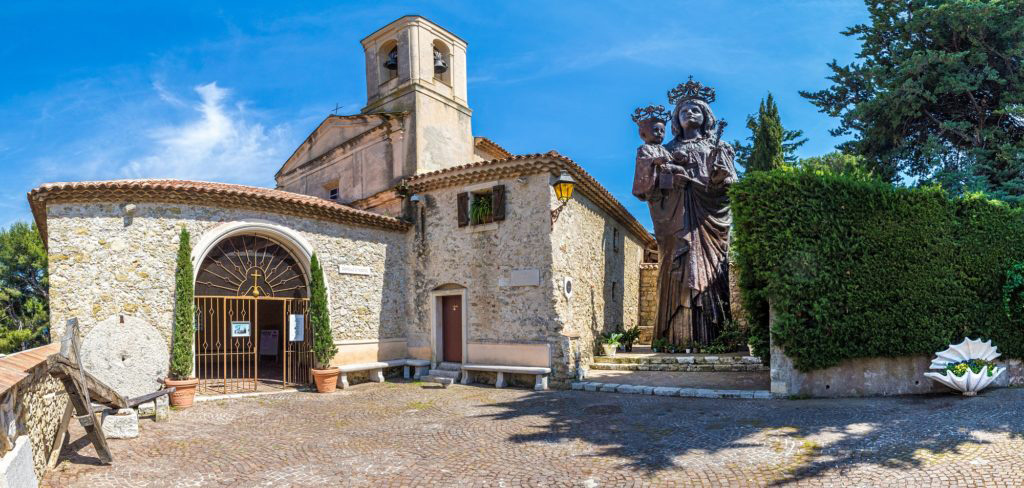
The history of Saint-Hospice begins with the Saint-Hospice Chapel, built in the 11th century on the site of an earlier sanctuary. Its name refers to the Benedictine monk Hospitius, who is said to have lived here in the 6th century. Over time, the chapel evolved, was restored under the Duke of Savoy, enlarged in the 18th century and given its portico in 1826. The site remains one of the defining historic landmarks of the peninsula and gives this part of Cap-Ferrat much of its atmosphere and depth.
Saint-Hospice is not only a place of religious heritage. The headland also includes the cemetery by the sea, created in 1905, the Belgian military cemetery linked to First World War casualties treated at Villa Les Cèdres, and the wider lighthouse and semaphore sector, where the semaphore was built in 1862 under Napoleon III and the lighthouse replaced an earlier beacon before later being rebuilt after the war. Together, these layers give Saint-Hospice an identity that feels more textured and historically grounded than many other parts of the peninsula.
Beaches around Saint-Hospice
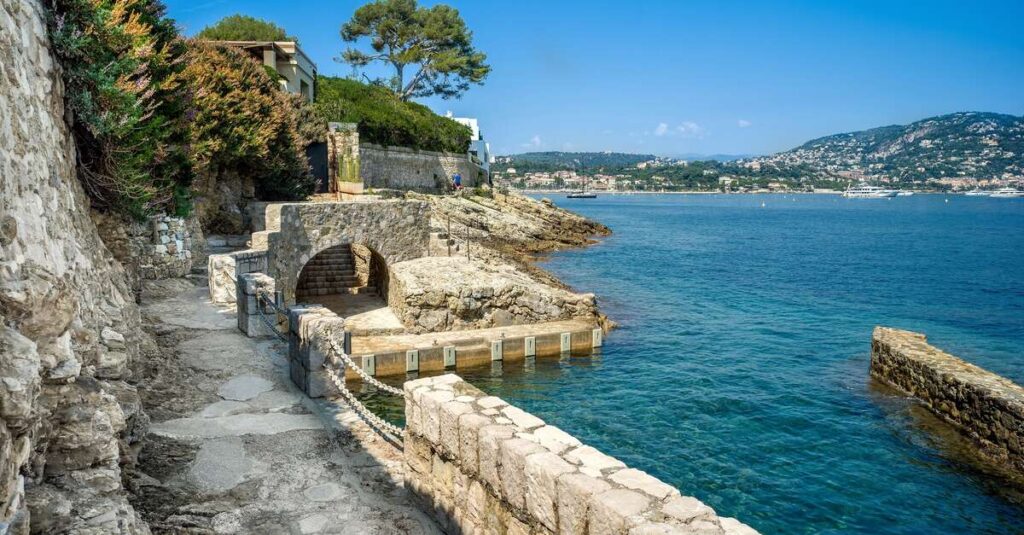
One of the advantages of Saint-Hospice is its immediate access to some of the most appealing beaches in Saint-Jean-Cap-Ferrat. Closest in character to the area itself are Les Fossettes and Les Fosses, both on the Pointe Saint-Hospice side. They are appreciated for their quieter atmosphere, clear water and strong snorkelling conditions, while still feeling closely tied to the natural, less built-up side of the peninsula.
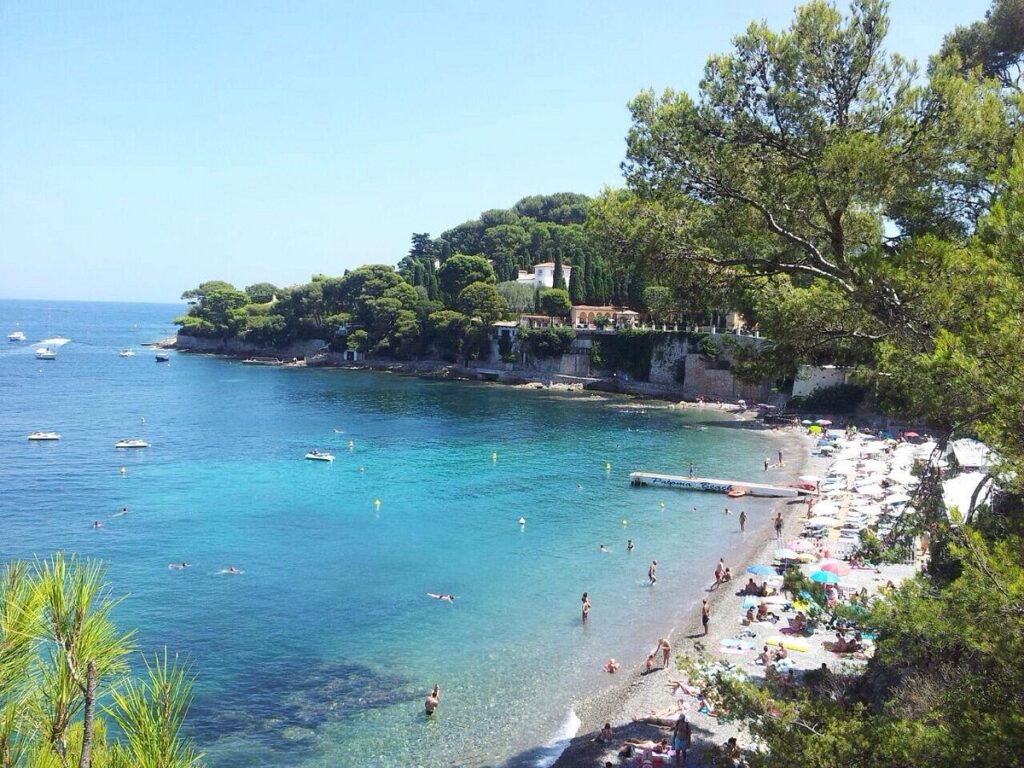
Just around the headland is Paloma Beach, one of Cap-Ferrat’s best-known beach settings. Its east-facing position, framed by pines and opening towards Beaulieu-sur-Mer and Èze, makes it one of the most recognisable coastal scenes on the peninsula. It is also closely linked to the Saint-Hospice walk, serving as the start or finish of the Pointe Saint-Hospice trail.
A little closer to the village, Cros deï Pin offers a broader and more family-oriented public beach, while on the opposite western side of the peninsula Passable provides a different atmosphere, with open views across the Bay of Villefranche. Even when not directly within Saint-Hospice itself, these beaches form part of the wider appeal of living in or near this area, where the coastline remains accessible, varied and unusually scenic. For readers considering a stay rather than a purchase, this is also part of what makes seasonal rentals in Saint-Jean-Cap-Ferrat so consistently sought after.
The villas that shape the identity of the area
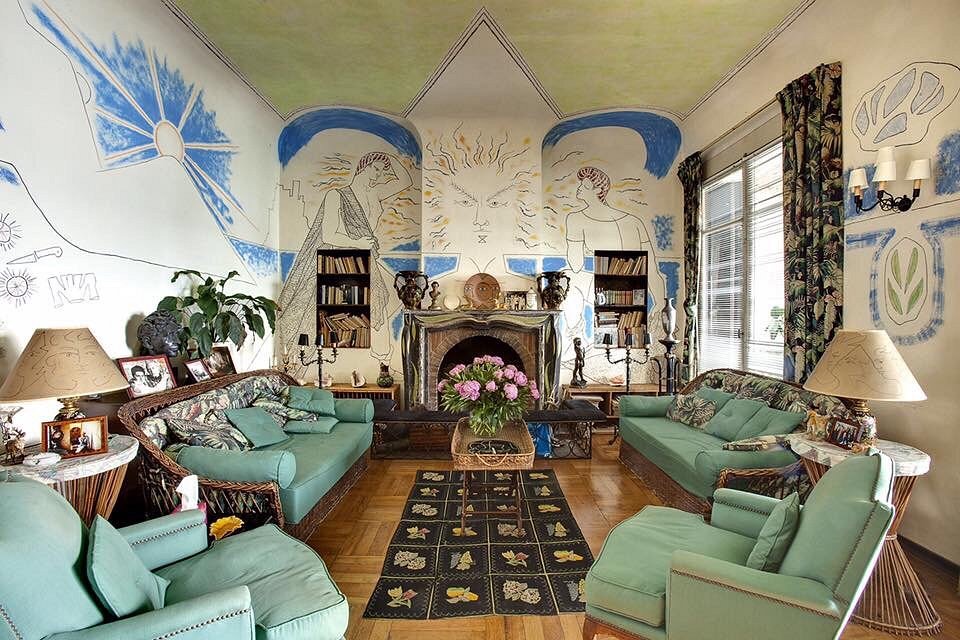
The Saint-Hospice side of Cap-Ferrat is also closely associated with villas that have contributed to the peninsula’s cultural and residential reputation. The most directly connected is Villa Santo Sospir, now one of the area’s best-known artistic houses. In 1950, Francine Weisweiller invited Jean Cocteau to stay there, and during that visit he began the wall drawings that would give the villa its enduring identity as the “tattooed villa.” The result is one of the clearest examples of how Saint-Hospice combines private residential prestige with cultural history.
More broadly on Cap-Ferrat, several grand estates help explain the wider context in which Saint-Hospice is understood. Villa Ephrussi de Rothschild remains one of the peninsula’s defining landmark properties. Baroness Béatrice de Rothschild acquired land on Cap-Ferrat in 1905, and the villa was built between 1907 and 1912, becoming one of the emblematic Belle Époque residences of the Riviera. Its architecture, gardens and collections still play a central role in the image of Saint-Jean-Cap-Ferrat as a place of cultivated and historically significant private estates.
The peninsula’s wider residential history is also shaped by the great estates of Saint-Jean-Cap-Ferrat. The local tourist office highlights, among others, Les Cèdres and the long presence of King Leopold II of Belgium on the Cap, as well as La Radiana, built for the Baroness of Vaughan. While these villas are not all within Saint-Hospice itself, they form part of the same Cap-Ferrat narrative of large private domains, distinguished ownership and discreet prestige.
Why Saint-Hospice still stands apart
What makes Saint-Hospice particularly compelling today is not only its address, but its balance. It offers coastal walks, quiet swimming coves, established greenery, historic landmarks and a sense of privacy that feels increasingly rare on the Riviera. Unlike more animated parts of the coast, its appeal is subtle: less about display, more about setting, continuity and atmosphere. That is precisely why it continues to resonate with buyers who understand Cap-Ferrat not simply as a prestige market, but as one of the Riviera’s most complete residential environments. For those looking to explore the market further, this is the natural point in the article to link towards properties for sale in Saint-Jean-Cap-Ferrat.
For Marks Real Estate, Saint-Hospice is one of those micro-locations that illustrates why the peninsula retains such lasting appeal. It offers a different reading of Cap-Ferrat: more intimate, more layered and closely tied to the coastline itself. Readers who would like to continue exploring the area can also discover more through our neighbourhood insights, where Saint-Jean-Cap-Ferrat is considered in a broader market and lifestyle context.